
Spread the Gospel Through Audio and Video Recordings

Updated: Jan 22
In today's digital age, the way we share messages has transformed dramatically. The power of audio and video recordings has opened new avenues for spreading the Gospel, allowing individuals and communities to connect with faith in innovative ways. This blog post explores how you can effectively use audio and video to share your message, engage your audience, and inspire others.
The Importance of Audio and Video in Spreading the Gospel
The rise of technology has changed how we communicate. Audio and video recordings are not just tools; they are powerful mediums that can reach people far beyond traditional methods. Here are some reasons why they are essential for spreading the Gospel:
Wider Reach: Audio and video can be shared across various platforms, reaching audiences globally.
Engagement: Visual and auditory elements can capture attention more effectively than text alone.
Accessibility: People can consume content on-the-go, making it easier for busy individuals to engage with your message.
Choosing the Right Format
When considering how to share your message, it's crucial to choose the right format. Here are some popular options:
Podcasts
Podcasts have surged in popularity, providing a platform for in-depth discussions and teachings. They are perfect for:
Interviews: Engage with guests who can share their experiences and insights.
Sermons: Record and distribute sermons for those who cannot attend in person.
Devotionals: Offer short, daily reflections to inspire listeners.
Video Sermons
Video sermons allow for a more personal connection with the audience. Consider these elements:
Live Streaming: Broadcast services in real-time to engage with viewers as they happen.
Recorded Messages: Create polished videos that can be edited for clarity and impact.
Visual Aids: Incorporate slides, graphics, or animations to enhance understanding.
Social Media Clips
Short clips on platforms like Instagram or TikTok can capture attention quickly. Use these for:
Quotes: Share impactful quotes from scripture or teachings.
Behind-the-Scenes: Give a glimpse into your community or preparation for events.
Calls to Action: Encourage viewers to engage with your content or attend services.
Creating Compelling Content
Once you've chosen your format, the next step is to create content that resonates with your audience. Here are some tips:
Know Your Audience
Understanding who you are speaking to is vital. Consider:
Demographics: Age, location, and interests can influence how you present your message.
Needs: What challenges or questions does your audience face? Tailor your content to address these.
Craft a Strong Message
Your message should be clear and impactful. Focus on:
Scripture: Use relevant verses to support your points.
Stories: Personal testimonies or parables can illustrate your message effectively.
Clarity: Avoid jargon and keep your language simple and relatable.
Invest in Quality
Quality matters. Poor audio or video can detract from your message. Here are some considerations:
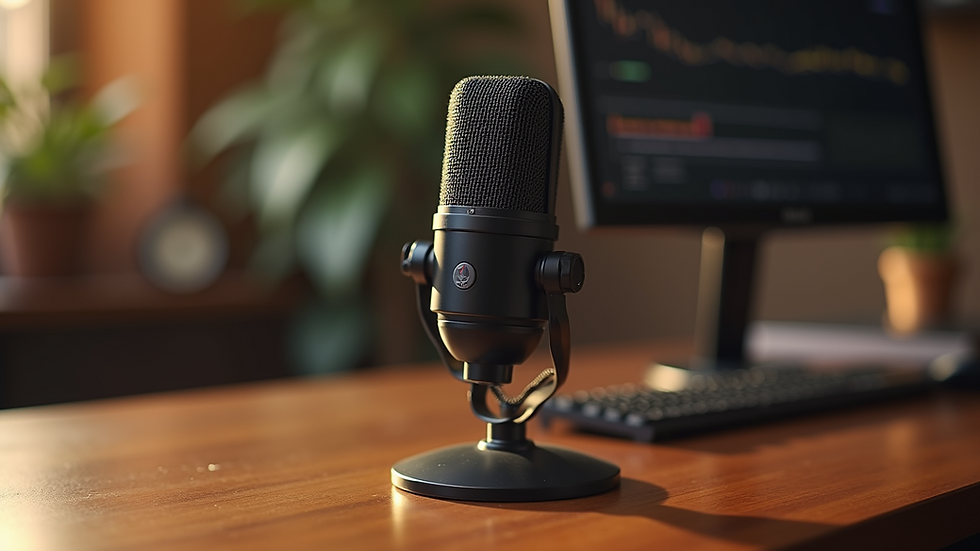
Equipment: Use a good microphone and camera to ensure clear sound and visuals.
Editing: Take the time to edit your recordings for a polished final product.
Environment: Choose a quiet, well-lit space for recording.
Distributing Your Content
Creating great content is just the beginning. You also need to distribute it effectively. Here are some strategies:
Utilize Multiple Platforms
Don’t limit yourself to one platform. Share your content across various channels:
YouTube: Ideal for video sermons and teachings.
Podcast Platforms: Distribute your audio recordings on platforms like Spotify and Apple Podcasts.
Social Media: Use Facebook, Instagram, and Twitter to promote your content and engage with your audience.
Engage with Your Audience
Building a community around your content is essential. Consider:
Comments and Feedback: Encourage listeners and viewers to share their thoughts and questions.
Q&A Sessions: Host live sessions where you can interact with your audience directly.
Follow-ups: Create additional content based on audience feedback or questions.
Measuring Success
To understand the impact of your audio and video recordings, it's important to measure success. Here are some metrics to consider:
Engagement Rates: Look at likes, shares, and comments to gauge interest.
Listener/Viewer Growth: Track how your audience grows over time.
Feedback: Collect qualitative feedback through surveys or direct messages.
Overcoming Challenges
While the benefits of using audio and video recordings are significant, there are challenges to consider:
Technical Issues
Technical difficulties can arise, but they can be managed with preparation:
Test Equipment: Always test your microphone and camera before recording.
Backup Plans: Have a backup recording method in case of failure.
Content Saturation
With so much content available, standing out can be tough. To combat this:
Unique Perspective: Share your unique insights and experiences.
Consistency: Regularly produce content to keep your audience engaged.
Conclusion
Spreading the Gospel through audio and video recordings is a powerful way to connect with others and share your message. By choosing the right format, creating compelling content, and effectively distributing it, you can reach a wider audience and inspire change. Embrace the tools available to you, and start sharing your message today.
Remember, the goal is not just to create content but to foster a community of faith and support. Take the next step in your journey by exploring the possibilities of audio and video recordings.

Comments